- Home
-
Shop By Brand
Shop By Top Brands
View All Brands -
Interior
Interior
Browse All Interior Featured Category
Interior
-
Exterior
Exterior
Browse All Exterior Featured Category
Exterior
-
Paint Care
 Featured Category
Paint Care
- Detailing & Accessorie
- Pages




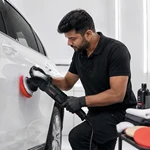

Car Rubbing Compound for Paint Correction
Explore car rubbing compound and related professional car-care solutions at
Mafra India. This category is
organised for car owners, detailing enthusiasts, studios and workshops that
need products matched to the correct surface, process and desired result.
Current options include Corrector 3.0 Rubbing Compound 1000g, Corrector 3.0 Rubbing Compound 4500g, Corrector 250g Rubbing Compound, Pasta Abrasiva Rubbing Paste. Review the live
product page for pack size, stock, compatibility, directions and any technical
documents before use.
Choose the Right Cutting Level
A rubbing compound uses controlled
abrasives to reduce visible defects in the upper paint layer. The correct
cutting level depends on the defect, paint hardness, remaining clear-coat
thickness, machine type, pad and operator technique. Begin with the least
aggressive combination capable of producing the required correction.
Heavy-cut compounds are intended for deeper
oxidation, sanding marks or more severe defects. Medium or one-step products
balance correction with refinement. A finishing polish is normally used after
aggressive compounding when additional clarity and gloss are required.
Rubbing Compound, Polish and Wax Are Different
A compound primarily corrects defects. A
finishing polish refines haze and improves gloss. A wax or sealant adds a
protective finishing layer. One-step products may combine some correction and
protection, but their result and durability differ from a dedicated multi-stage
process.
Use the Polish Wax category for gloss
refinement and polish-wax products, and move to Paint Sealant or Ceramic
Coating only after the paint has been properly cleaned and prepared.
A Controlled Paint-Correction Process
Wash and decontaminate the vehicle before
machine polishing. Inspect the paint under suitable lighting, mask delicate
edges and test a small section. Prime the selected pad, use a controlled amount
of compound and work in overlapping passes without excessive pressure or heat.
Clean the pad regularly and inspect the
result after wiping residue with a clean microfiber towel. Use an IPA or
panel-preparation cleaner only where the product directions permit it. Paint
correction removes a small amount of material, so repeated aggressive polishing
should not be treated as routine maintenance.
Match Compound, Pad and Machine
Foam, microfiber and wool pads create
different cutting and finishing behaviour. A dual action polishing machine is
often selected for balanced correction and control, while rotary polishing
generally requires greater experience. Confirm pad diameter, backing plate size
and machine compatibility before use.
Edges, raised body lines and repainted
panels can respond differently from flat factory-finished areas. When paint
condition or thickness is uncertain, professional assessment is the safer
option.
Why Shop This Category at Mafra India?
·
Focused category selection for the stated detailing task.Focused category selection for the stated detailing task.
·
Direct access to related chemicals, machines, pads, towels and
accessories.Direct access to related chemicals,
machines, pads, towels and accessories.
·
Product pages with current price, availability and usage
information.Product pages with current price,
availability and usage information.
·
Options for personal vehicle care and professional detailing
workflows.Options for personal vehicle care and
professional detailing workflows.
Frequently Asked Questions
Does rubbing compound remove every scratch?
No. It may reduce defects that are within
the polishable paint layer, but deep scratches that pass through the clear coat
may require repair or repainting.
Should I use rubbing compound by hand or machine?
Some products allow hand application, but
machine polishing can produce more consistent correction. Follow the specific
product instructions and start with a test area.
What pad should I use with rubbing compound?
Choose a pad recommended for the compound,
machine and correction level. Cutting foam, microfiber and wool pads behave
differently.
Do I need to polish after compounding?
Aggressive compounding can leave haze or
micro-marring. A finishing polish is often used to refine the surface before
protection.
Can rubbing compound be used frequently?
It should be used only when correction is
required because abrasive polishing removes a small amount of paint or clear
coat.
Professional Car Care Products and Detailing Solutions