- Home
-
Shop By Brand
Shop By Top Brands
View All Brands -
Interior
Interior
Browse All Interior Featured Category
Interior
-
Exterior
Exterior
Browse All Exterior Featured Category
Exterior
-
Paint Care
 Featured Category
Paint Care
- Detailing & Accessorie
- Pages




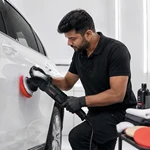
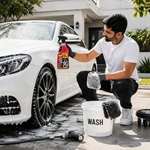

Car Degreaser Products for Grease, Oil and Heavy Grime
Grease, oily road film, engine-bay residue
and heavy grime often need more cleaning power than a routine car wash shampoo
can provide. Mafra India’s Degreaser category brings together automotive
degreaser products for targeted cleaning on compatible vehicle surfaces,
including selected engine-bay components, wheels, tyres, lower exterior areas
and workshop parts.
Choose the product according to the
surface, contamination and current manufacturer instructions. Degreasers vary
in strength and application method, so work on cool surfaces, test a small area
first and never allow the product to dry unless the label specifically states
otherwise.
What Does an Automotive Degreaser Remove?
A car degreaser is designed to break down
oily or greasy contamination that normal shampoo may leave behind. Depending on
the individual formula, it can help remove engine oil residue, lubricants,
greasy road film, tyre dressing build-up and stubborn dirt from compatible
surfaces.
A degreaser is not a replacement for every
detailing chemical. Use an iron remover for bonded metallic fallout, a mineral
remover for hard-water deposits and a dedicated vehicle glass cleaner for
windows and windshields. Matching the chemical to the contamination improves
cleaning efficiency and reduces unnecessary repeated treatment.
Perfect Degreaser for Targeted Exterior Cleaning
For users searching for a perfect degreaser cleaner, review the Mafra Perfect
Degreaser 1L. It is positioned for grease, oil and stubborn dirt
removal across compatible automotive areas. Confirm the latest label before
selecting the concentration, application method or surface.
Use the least aggressive method that
completes the task. For heavy contamination, remove loose dirt first, treat a
manageable section and rinse or wipe away residue exactly as directed. Avoid
using the product on hot panels, sensitive finishes or unlisted materials.
HP12 Multi-Purpose Degreaser for Detailed Cleaning Tasks
The Mafra HP12
Multi-Purpose Degreaser Spray is another option for users
comparing concentrated or multi-purpose cleaning products. It can be considered
for compatible automotive cleaning tasks where a stronger grease-cutting action
is required.
Because the website currently contains more
than one HP12 product route, use one confirmed canonical product URL in
category copy, navigation and internal links. Product details, dilution
instructions and surface claims should be consistent across every duplicate
route before consolidation.
Engine Bay and Mechanical-Area Cleaning
Engine bays can collect oil mist, dust and
greasy residue around plastic covers, painted metal and mechanical components.
Before cleaning, allow the engine to cool and identify electrical connections,
exposed filters and other sensitive areas. Use only the method permitted by the
selected product and vehicle manufacturer.
Apply with control rather than flooding the
area. A suitable sprayer and detailing brush can help direct the product to
accessible surfaces. Do not spray onto hot components, exposed electronics,
alternators, intake openings or other sensitive parts. Rinse or wipe off
residue as directed, then dry the area before operation.
Wheel, Tyre and Lower-Panel Degreasing
Wheels, tyre sidewalls and lower body
sections collect road film, grease and old dressing. For routine wheel-and-tyre
maintenance, browse the Tyre Care
category. Use separate brushes and microfiber towels for these
areas so brake dust and oily residue are not transferred to paint or glass.
Keep degreaser and dressings away from tyre
tread, brake discs, brake pads and other braking surfaces. Treat cool wheels
only, work one wheel at a time and rinse thoroughly when the product
instructions require it.
Degreaser, Cleaner or Car Wash Shampoo?
Use a car wash shampoo for the main
contact wash, an exterior
cleaner or APC for routine or mixed dirt on compatible surfaces,
and a degreaser for oily or greasy contamination. These products may be used in
the same detailing workflow, but they are not interchangeable.
For heavily soiled vehicles, begin with a
suitable prewash
to remove loose contamination before targeted degreasing. If the remaining
contamination is metallic fallout rather than grease, move to the Iron Remover category.
A Controlled Car Degreasing Process
1.
Park in shade and allow the
surface, wheels and engine area to cool completely.
2.
Identify the material and type
of contamination before selecting the product.
3.
Remove loose dust, mud or grit
with a rinse or suitable prewash where appropriate.
4.
Read the current label or
technical sheet and prepare the product exactly as directed.
5.
Test a small, less-visible area
before treating the full surface.
6.
Apply to one manageable section
with a controlled sprayer or applicator.
7.
Allow only the stated contact
time and agitate with a suitable brush when permitted.
8.
Do not let the product dry;
rinse or wipe away all residue as instructed.
9.
Dry with a clean microfiber
towel and inspect before applying wax, sealant or dressing.
Detailing Tools for Better Control
A controlled application is more effective
than overspraying. Browse sprayers and
foam sprayer pumps for product delivery, and use a detailing brush kit for
grilles, textured plastics, wheel areas and accessible engine-bay sections
where agitation is allowed.
Use clean microfiber towels and drying cloths
for wipe-off and drying. Keep separate towels for engine areas, wheels, glass
and paint to prevent cross-contamination.
Clean First, Then Protect
After degreasing, inspect the surface for
remaining residue and complete the normal wash when required. Any wax, sealant,
ceramic coating or tyre dressing should be applied only after the surface is
clean, fully rinsed or wiped, and dry according to the protection product’s
instructions.
Return to the car exterior detailing products
category to continue with washing, decontamination and protection. For finish
protection, compare the Wax category
and Ceramic Coating
category.
Why Shop Car Degreaser Products at Mafra India?
·
Focused product selection:
automotive degreasers for grease, oil film and heavy grime on compatible
surfaces.
·
Options for different
workflows: products for personal car care, detailing studios, workshops and
professional vehicle maintenance.
·
Connected detailing categories:
direct access to prewash, shampoo, cleaners, iron removers, tyre care and
protection products.
·
Supporting car care
accessories: sprayers, brushes and microfiber towels for more controlled
application and removal.
·
Product-level guidance: review
current pack size, stock, compatibility, instructions and technical documents
before purchase.
Frequently Asked Questions
What
is a car degreaser used for?
A car degreaser is used to break down oily
and greasy contamination that may remain after ordinary washing. Suitable uses
depend on the product and can include compatible engine-bay components, wheels,
tyres, lower panels and workshop parts.
Can
I use degreaser on car paint?
Only when the specific product instructions
permit use on painted surfaces. Test a small area, work on cool paint, use the
stated concentration and contact time, and remove the product completely.
Can
degreaser be used in an engine bay?
Some automotive degreasers can be used on
listed engine-bay surfaces. Allow the engine to cool, protect sensitive
electrical and intake areas, avoid flooding, and follow both the product and
vehicle manufacturer guidance.
What
is the difference between an APC and a degreaser?
An all-purpose cleaner is generally used
for mixed everyday dirt across multiple compatible surfaces, while a degreaser
is selected for oily or greasy contamination. Strength and compatibility vary
by formula.
Should
car degreaser be rinsed off?
Follow the individual label. Many
automotive degreasers require thorough rinsing, while some controlled
applications may use a specified wipe-off process. Never leave unremoved
residue on the surface.
Can
I mix degreaser with shampoo or another cleaner?
No. Do not mix detailing chemicals unless
the manufacturer explicitly provides a compatible system and written
instructions. Mixing products can create unsafe reactions or damage surfaces.
How
often should I use a car degreaser?
Use it when greasy contamination is present
rather than as an automatic step in every wash. Routine overuse of a strong
cleaner may remove wax, sealant or dressing and can be unnecessary.
Professional Car Care Products and Detailing Solutions